Getting The Tru-diamonds To Work
The exact same carat dimension can look larger or smaller sized depending on the cut and setup. How to Make the very best Choice: Compare at least three various jewellery collections prior to acquiring. Look for brands that provide superb value and price. Read client evaluates to see if the brand supplies on quality and sparkle.
They include: Cut: Just how well the ruby reflects light. Carat weight Dimension: The weight of the ruby. The cut of a ruby influences exactly how much it shines.
You do not require to spend too much to obtain a beautiful diamond. Lots of lab-grown rubies provide excellent worth contrasted to natural diamonds.
4 Easy Facts About Tru-diamonds Described
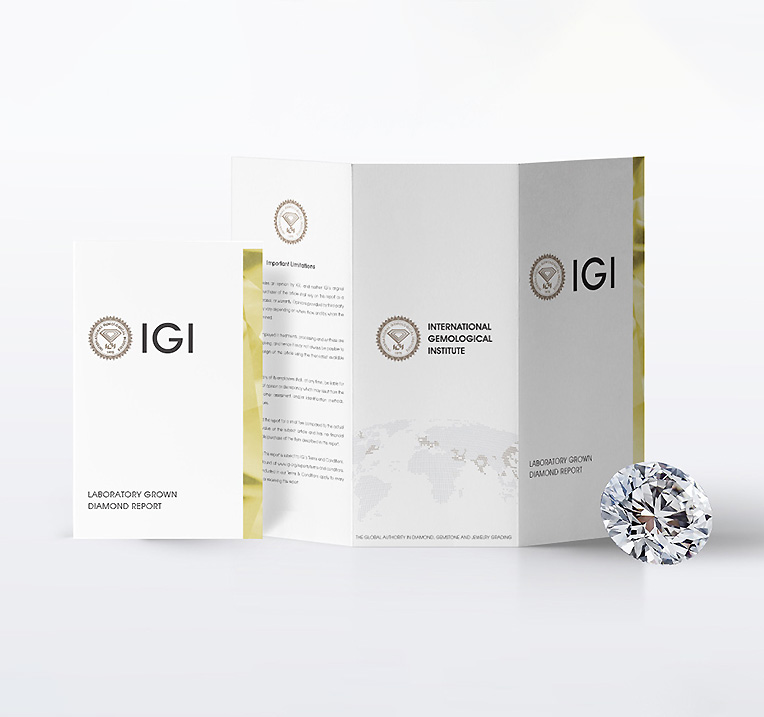
Makes certain diamond quality and authenticity. Confirms the chemical composition matches a genuine ruby. You can buy lab-grown diamonds either online or in a physical shop.
In-Store Purchasing: See the diamond ring, jewelry, or pendant in individual. Obtain specialist guidance on ruby quality. Do you desire a distinct involvement ring or an one-of-a-kind ruby bracelet?
Use funding planssome stores supply 0% interest if you pay in installations. Evaluations aid you find out regarding diamond top quality, client service, and overall experience.
Lab-grown rubies have the very same glimmer, quality, and top quality as all-natural diamonds. They are made utilizing the exact same chemical make-up and are optically similar.
Tru-diamonds - Truths
Lab-grown rubies cost 30-40% less than natural ones. No expensive mining procedures. Reduced manufacturing costs. Many natural diamonds originate from extracted resources that may entail unjust labor. Lab-grown diamonds are conflict-free and ethically sourced. No harm to individuals or the atmosphere. Clear and responsible sourcing. Mining rubies damages the Earth and utilizes a great deal of natural deposits.
No land devastation. Minimized carbon footprint. Because they are made in a controlled setup, lab-grown rubies frequently have much better quality than mined ones. Fewer flaws. Better light representation for added shimmer. Numerous brands currently use trade-ins and resale options for lab-grown diamonds. This makes them a cost-effective investment. More budget-friendly upfront.
< From nitrogen to boron, the category of ruby kinds clarifies the covert scientific research behind a diamond's shade and credibility. Those four qualities explain how a diamond looks and help determine its worth.
That system is called ruby inputting. Ruby typing can sound technical, however the principle is remarkably simple. According to the Gemological Institute of America (GIA), diamond type categorizes diamonds based upon their chemical make-up and atomic structure. Much more particularly, the existence or absence of micronutrient such as nitrogen or boron.
Tru-diamonds - Questions
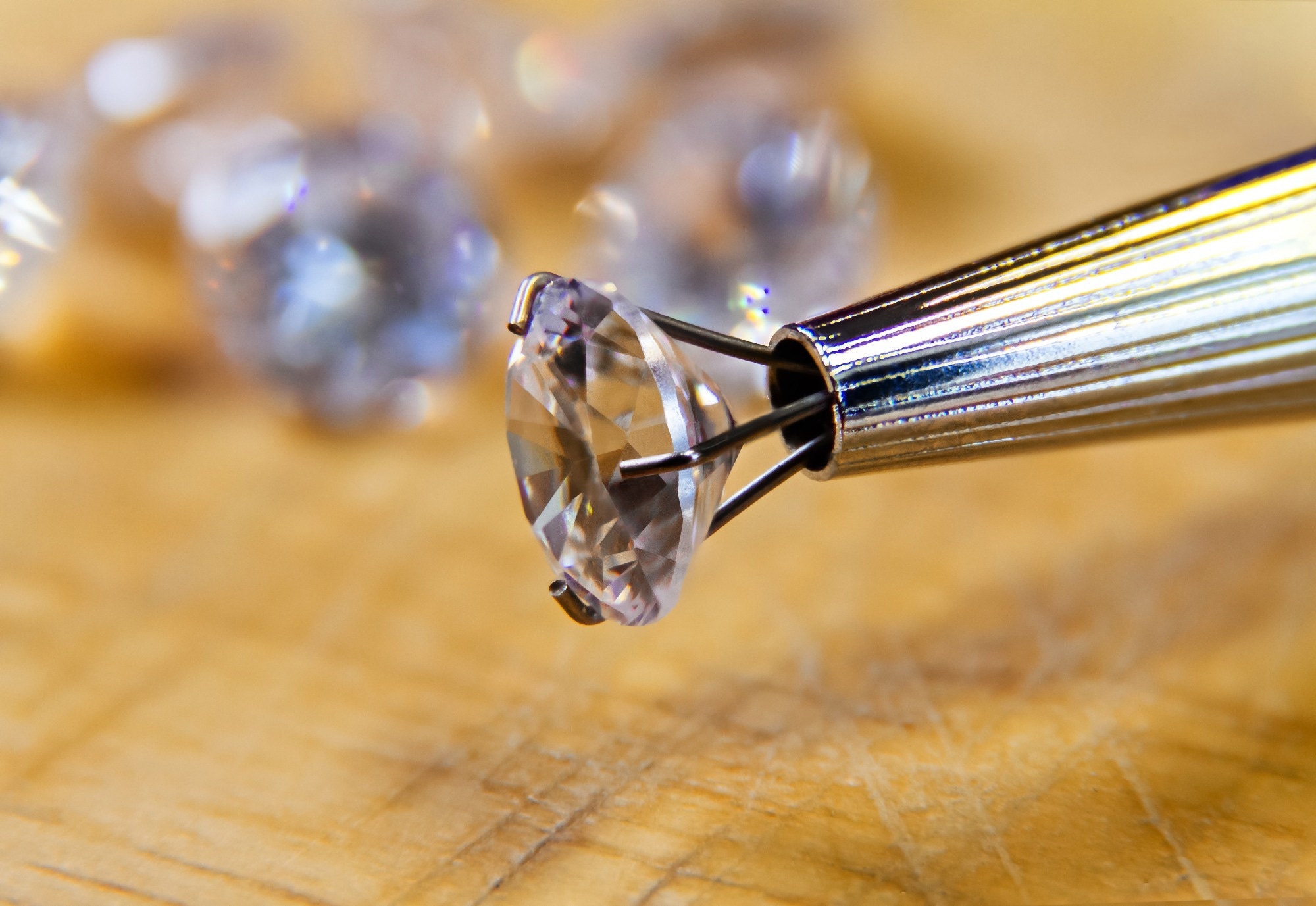
They look the very same. Prior to October 2025 Lab Grown and Natural Diamonds used specifically the exact same grading system and we refer to the primary characteristics of both by making use of the well known terms of covered listed below.
For even more up to day details please go to each of the web links above. If you're looking at two rated rubies that have the exact same grading (eg.
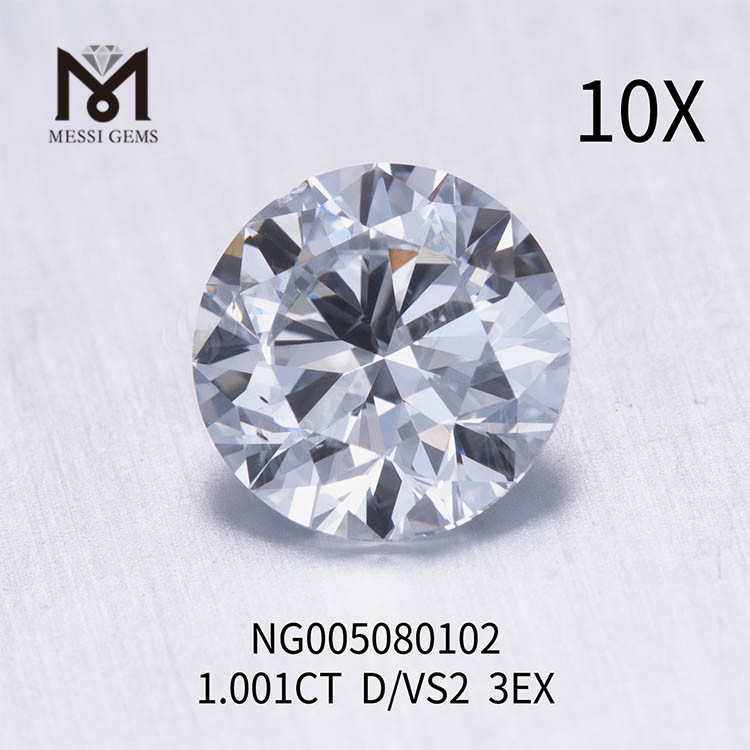
Rubies over a certain size are extensively available with a certificate that lists every detail of the ruby being bought by the customer. Both options are available to provide self-confidence to our customers - imitation diamond. Whilst we promote that real ruby is an All-natural Ruby from the planet, we would be crazy to overlook the alternate found in Synthetic Lab Grown rubies specifically as clients end up being more knowledgeable about them and are becoming more willful regarding buying them
3 Simple Techniques For Tru-diamonds
Openness in our sector is of vital significance and so we feel it is only best to discuss a few of the mixed messaging that is around on this subject. A Synthetic Lab Grown Ruby is significantly less costly than a Natural Mined Ruby. All-natural rubies have a minimal supply whereas laboratories data can generate an unrestricted supply of the other which continues to drive costs downwards.
As a consumer, you ought to not watch a Lab Grown Diamond as an investment as you are not likely to see a lot, if any type of return for your cash on the diamond in the future, though the rare-earth elements will likely have worth. simulated diamond. A Natural Ruby on the other hand could have some future value (though don't expect to recuperate what you paid unless a rarer ruby somehow), and somehow preserves something unique having actually been formed in the earth instead of above ground in a manufacturing facility somewhere
Considering That the United Nations actioned in and the global ruby market and governments interacted to introduce the Kimberley Process in 2003, points have actually been even more regulated. To claim that All-natural Rubies are bad and Laboratory Grown stones are more honest is not truly exact as a blanket declaration if all aspects are taken into consideration.Rubies are among one of the most beneficial - and cherished - gems on the planet, so maybe it is no surprise individuals have tried to replicate or simulate this unbelievable gems. It can be tough to tell a real diamond from a fake one, specifically to the inexperienced and naked eye.